The Damage That Bad SEO Does to a Great Brand
- Strong design can’t compensate for poor SEO execution
- Technical issues quietly damage user trust and credibility
- Off-brand content can dilute high-value positioning
- SEO works best when it matches your brand’s standards
Your Visual Brand Is Stunning—But Your Rankings Don’t Reflect It
You’ve invested in sleek design, a consistent tone of voice, elegant product photography, maybe even a custom font or two. Your brand looks the part—refined, polished, unmistakably premium. But when you Google your own business, you’re buried on page three. Worse, competitors with bland design and clunky messaging are outranking you.
It’s a frustrating gap. You’ve put in real effort to make your brand memorable, but without visibility, that work can go unnoticed. The truth is, strong branding and strong SEO aren’t competing priorities—they’re connected. If your site structure, content strategy, and technical performance don’t support your brand’s authority, you’re building a brilliant experience that most people will never see.
That disconnect is more common than you’d think. Many high-end brands assume great design will carry them, and that SEO is a backend task for someone to “take care of later.” But later often means lost traffic, missed sales, and declining relevance. If your visual identity says luxury but your search presence says invisible, it’s time to question how aligned your digital strategy really is.
Poor SEO Creates Trust Issues You Can’t See
Your brand might look flawless on the surface, but bad SEO often leaves subtle cracks that erode trust without warning. It starts with the basics: slow load times, confusing navigation, or broken links from a half-finished site migration. These are the kinds of issues that slip past design reviews but quietly frustrate users and weaken credibility.
And it’s not just users. Search engines are constantly measuring site quality signals—things like page speed, mobile responsiveness, and how long people stick around. If your site performs poorly in those areas, your rankings will drop. But more importantly, you’re sending the wrong signals about your brand’s reliability. For a premium business, that disconnect hits hard.
Then there’s the backlink problem. One poorly managed outreach campaign or an outdated SEO strategy can fill your profile with low-value links. They might look harmless at a glance, but to search engines, they suggest your brand’s authority is questionable. That kind of erosion doesn’t happen overnight—it builds quietly, behind the scenes, while your front-facing brand continues projecting confidence.
These technical gaps and overlooked signals are why great-looking brands can still fall flat online. And often, they don’t notice until the leads dry up or conversions start sliding.
Content That Misses the Mark Hurts More Than It Helps
It’s easy to fall into the trap of publishing content just to tick an SEO box. A blog here, a product description there—loaded with keywords, light on value. But when that content doesn’t reflect your brand voice, it does more harm than good.
If your brand has spent years building a premium identity, but your content reads like it came from a template or worse, from a generic content mill, the disconnect is obvious. Visitors notice. So do search engines. Pages that lack clarity, coherence, or user intent don’t just fail to rank—they chip away at how your brand is perceived.
And it’s not always the content itself—it’s where it leads. Blog posts that end in broken CTAs, descriptions that don’t match tone, or location pages stuffed with clunky phrases signal to users that something isn’t right. For brands positioned around trust, detail, and quality, these slips send mixed messages.
High-performing SEO content doesn’t feel like SEO. It sounds like your brand. And that alignment matters more than ever in a space crowded with AI fluff and keyword games. Good content builds authority. Off-brand content quietly dismantles it.
Brands Need SEO That Matches Their Standards
This is where the thinking starts to shift. SEO isn’t just a lever to pull for traffic—it’s part of your reputation. How you appear in search results, what people read on your pages, how fast your site loads, how intuitive the structure feels—it all speaks to your brand standards.
And brands with higher standards are looking for more than surface-level tactics. They want strategy, consistency, and execution that reflects the way they operate. That’s why they’re turning to award-winning SEO experts in Melbourne who treat visibility as part of the broader brand experience—not a separate department.
These are the teams that work alongside your creative direction, not against it. They help make sure the first impression on Google matches the one a customer gets on your homepage. It’s SEO that respects design, amplifies messaging, and strengthens the brand you’ve built—without compromising on aesthetics or tone.
Visibility Without Alignment Doesn’t Build Loyalty
It’s possible to rank well and still lose the customer. That happens when the path to your site is strong, but what happens after the click feels off. Maybe the messaging is inconsistent. Maybe the tone feels disconnected from your ad campaign or social feed. Maybe the user experience is just clunky.
When that happens, search traffic becomes noise. You might see the sessions rise, but conversions won’t follow. Why? Because people don’t just want to find you—they want to trust you. And that trust is built when your brand shows up consistently, from the first search result to the final transaction.
That’s where real SEO value comes from. Not just traffic, but alignment. When your search presence matches the brand you’ve worked so hard to craft, everything clicks. And if your current SEO setup doesn’t reflect that, it might be time to build something better—with people who know how premium brands should show up in search. That’s exactly what quality SEO experts are doing for the brands that won’t settle for basic.
Here’s a look at some huge brands that have fallen victim to bad SEO:
1. Lush UK
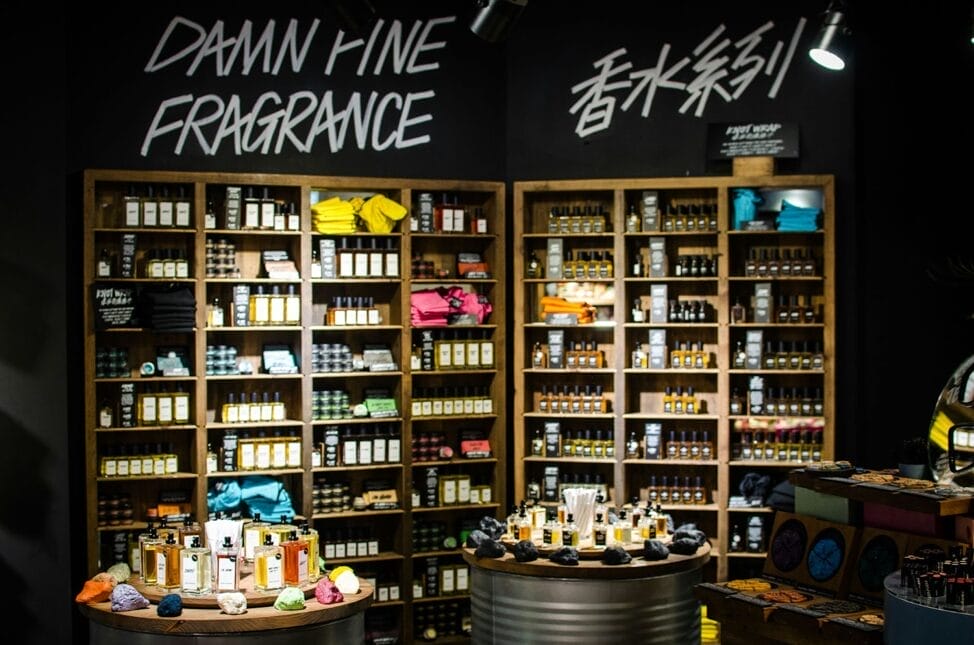
Lush, known for its ethical and visually distinctive branding, once completely removed itself from social media in a bold brand move—but didn’t ensure its SEO was strong enough to compensate. Their decision to shift to “digital minimalism” resulted in lower visibility for core products and an over-reliance on branded search. Their product pages struggled to rank for generic terms like “bath bombs” or “natural skincare,” allowing competitors with less brand equity to dominate organic search.
2. American Apparel
Before its bankruptcy, American Apparel had a strong visual identity and cultural footprint—but their SEO was fragmented and often inconsistent. Their site suffered from technical SEO issues, like duplicate content and unoptimised product pages. While the brand focused heavily on edgy design and campaigns, basic search hygiene was neglected, which affected their visibility during a critical time of declining retail performance.
3. Goop (by Gwyneth Paltrow)
Goop has always had a recognisable and high-end editorial aesthetic. However, much of its earlier content was overloaded with vague titles, unstructured blog posts, and confusing navigation. While the site eventually improved, for years it relied almost entirely on direct traffic and PR, underperforming in search rankings despite high-quality content and a strong visual brand. Their editorial SEO didn’t catch up with their brand power until much later.
4. Muji
Muji is another example of a brand with an iconic visual and minimalist retail identity—but for years, its website lacked even basic on-page SEO, including optimised product names, meta descriptions, or structured internal linking. This meant even fans of the brand had trouble finding or navigating their site, which didn’t reflect their clean and functional ethos.
5. Everlane
Everlane has strong brand storytelling and a clean, modern site design. But for a long time, their product pages lacked detailed descriptions, keyword structure, and unique content—key SEO components. While they looked great, they didn’t always rank for non-branded terms like “sustainable jeans” or “ethical cashmere,” which left them vulnerable to newer competitors with better-optimised content but weaker design.

